
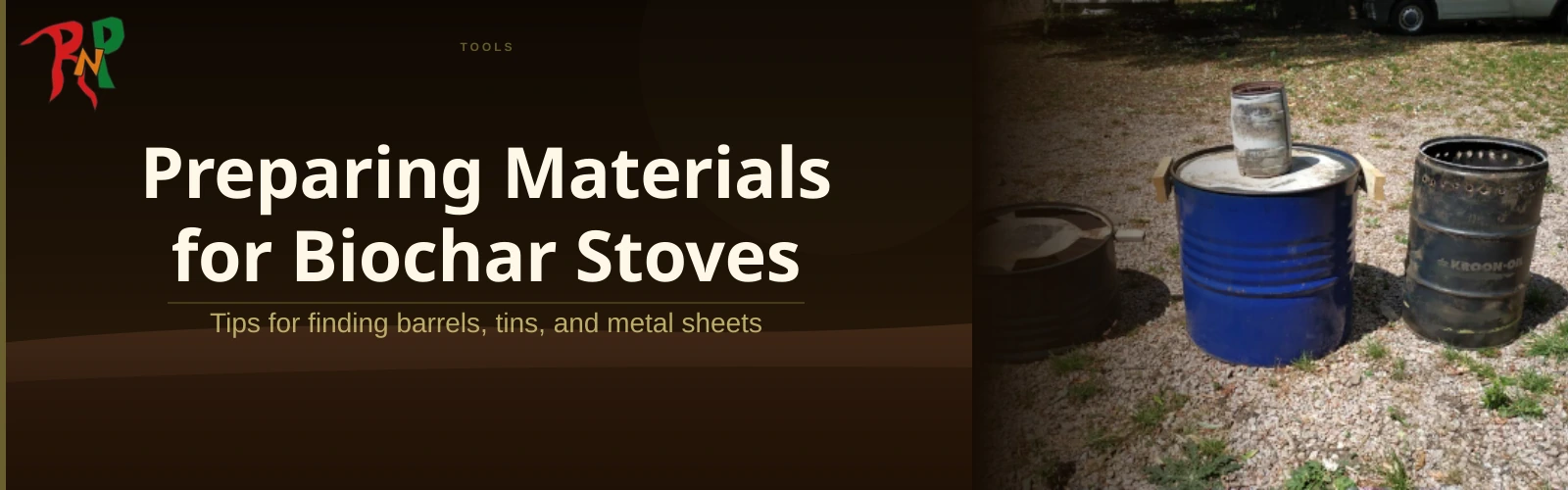
Preparing Materials for Biochar Stoves
Purpose
This guide is for course organisers preparing materials for biochar cook stove workshops. The focus is on designing the stove according to available materials and sourcing recycled components, rather than providing step-by-step construction instructions.
The principle is simple: we make use of whatever materials we can get for free or cheaply and design the stove around them. This is not a build guide — it is about understanding what materials to bring so they can be used and adapted during the course.
1. Burn Chamber
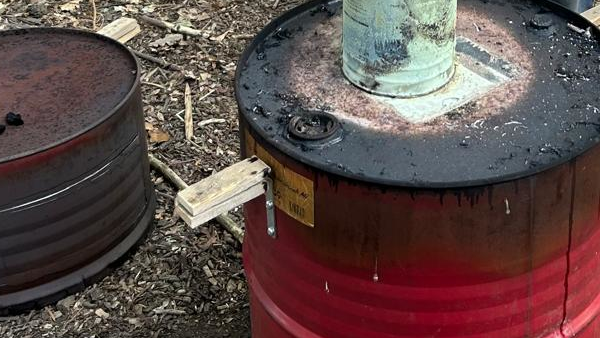
The burn chamber is the heart of the stove. A range of materials can be used depending on availability, and the design can be adapted accordingly:
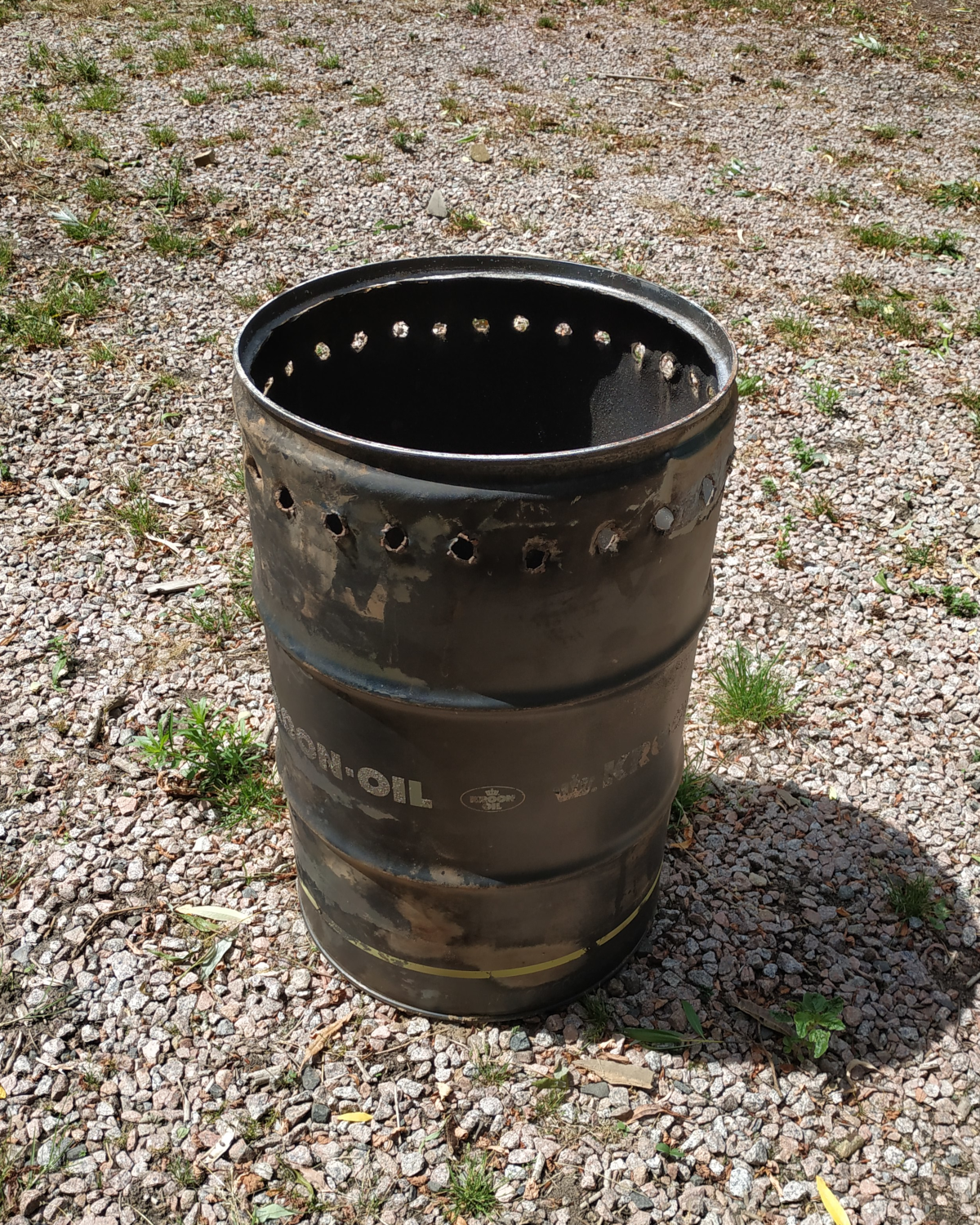
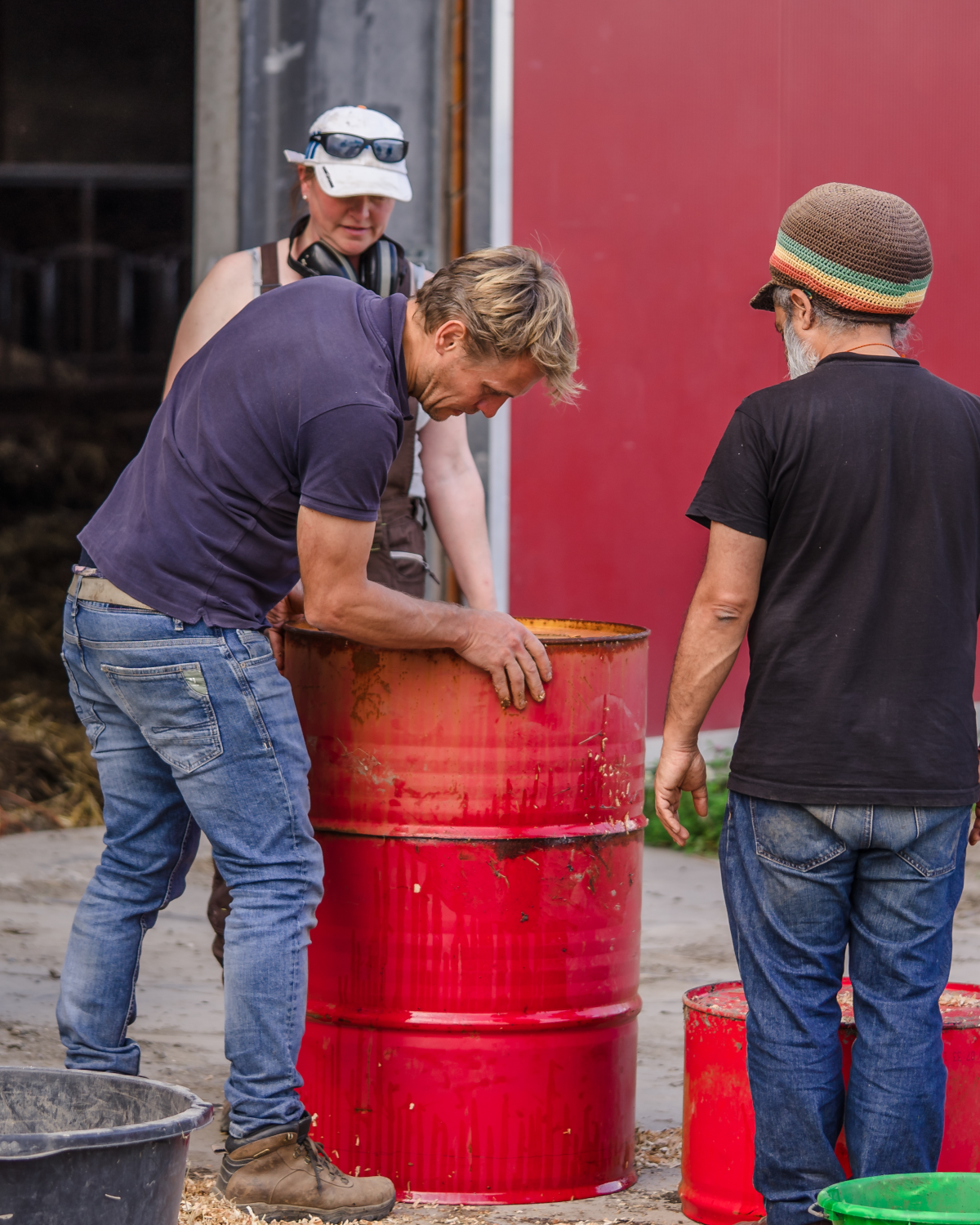
- 50 litre steel drum: A common option, though not always easy to source and may require some time to find.
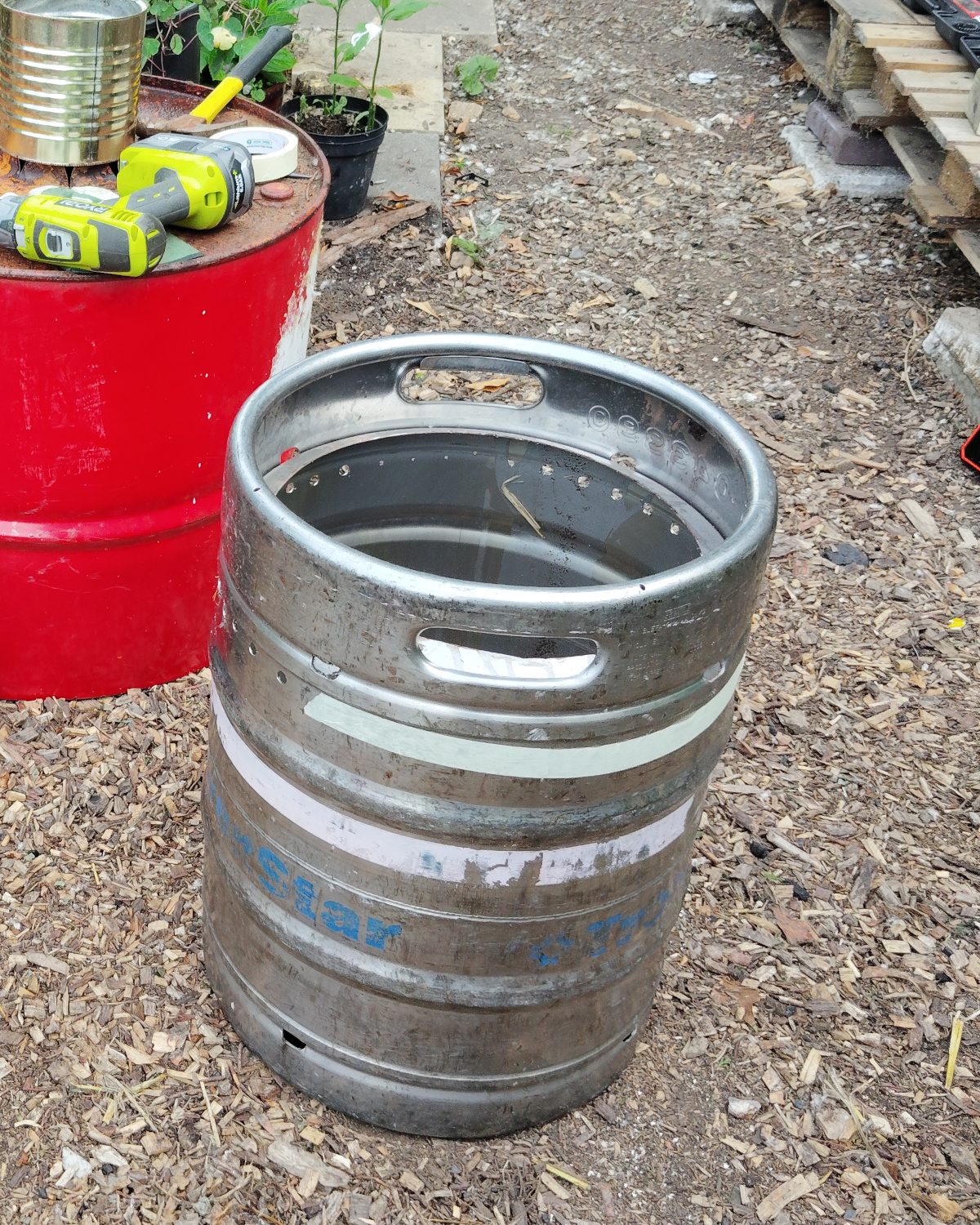
- Beer barrel (50 litre typical, 100 litre rare): Durable, lasts longer, produces more biochar.
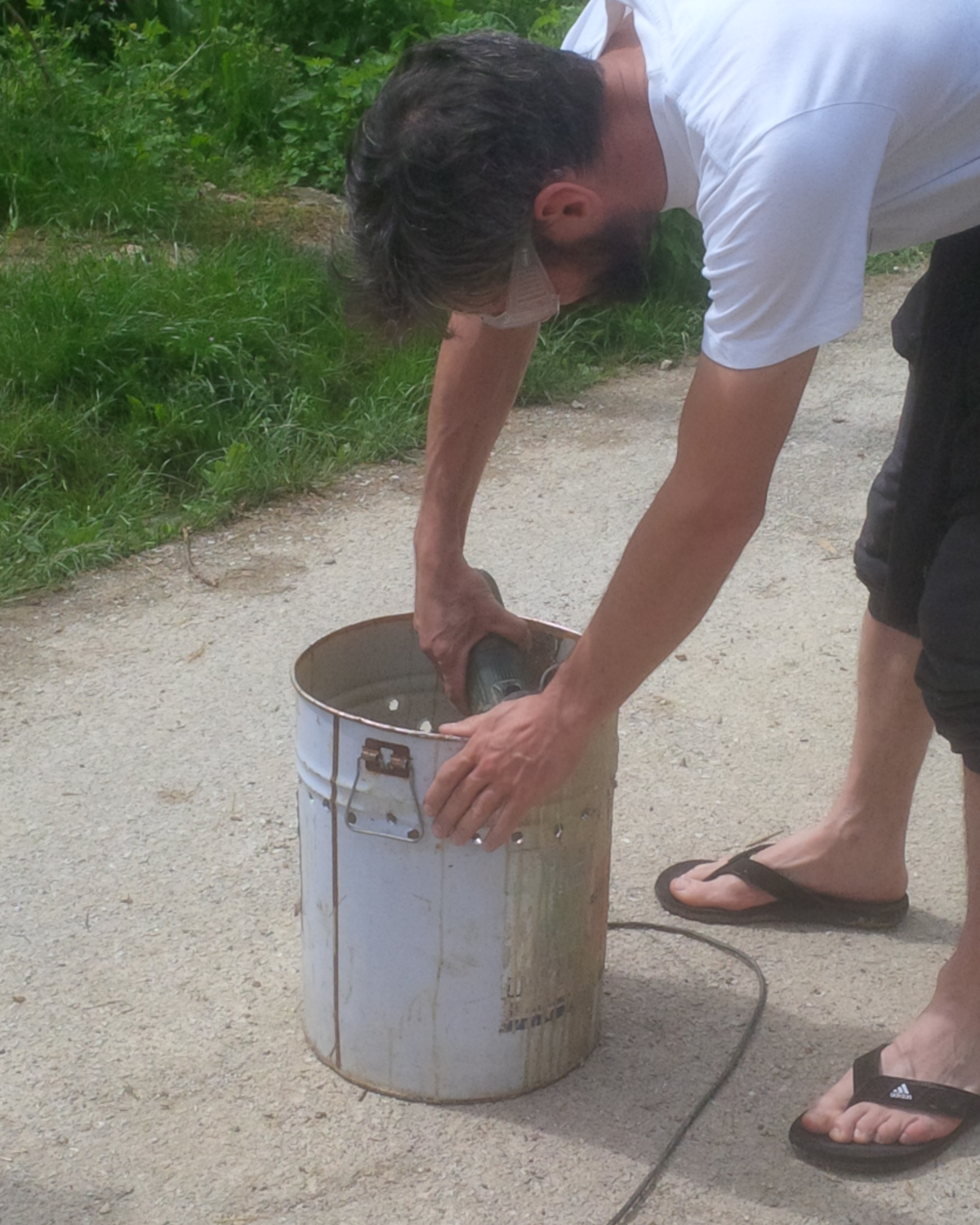
- 30 litre drum: A smaller option, though less practical if you plan to include an oven.
- 200 litre drum: Can be adapted depending on design and availability.
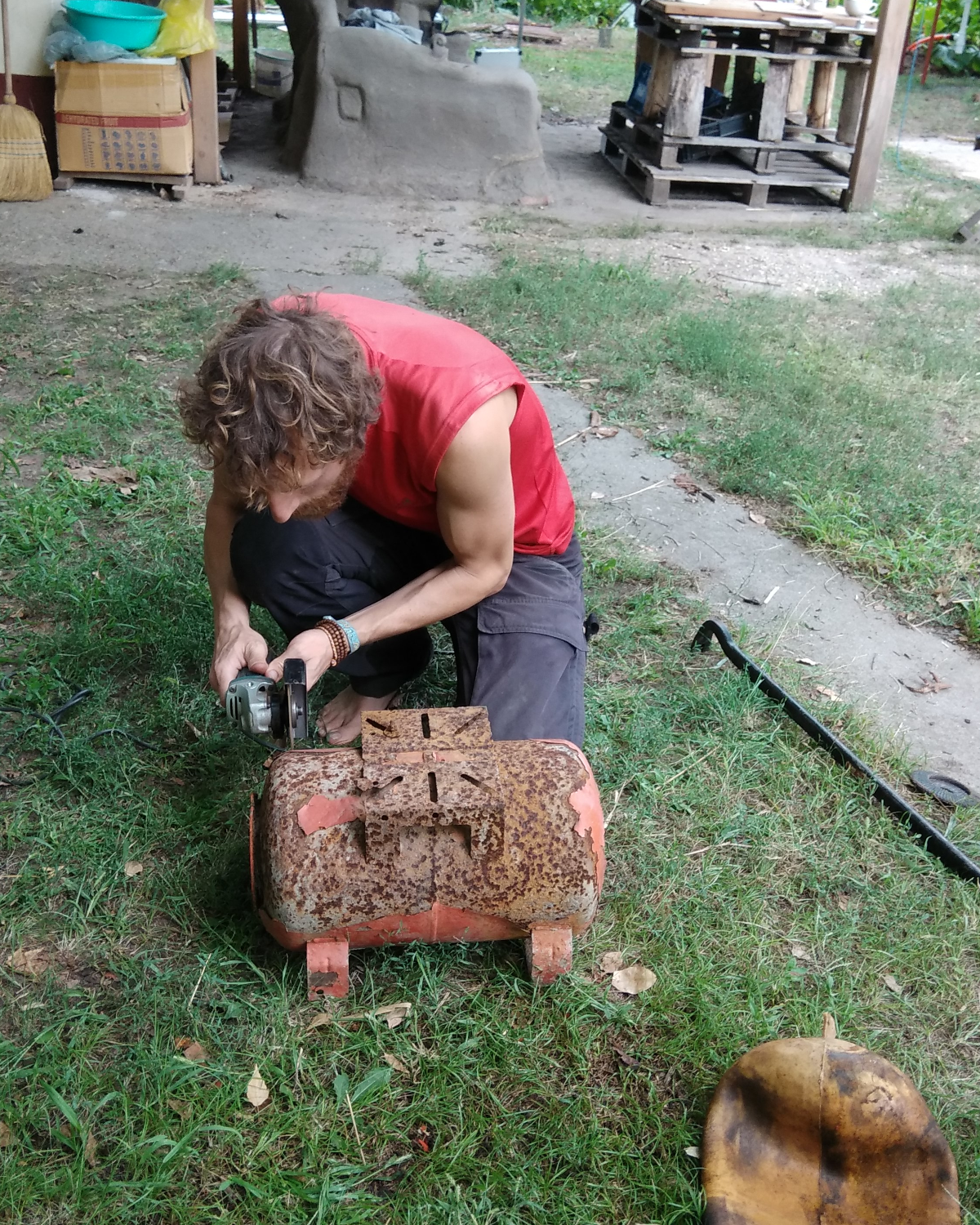
- Gas cylinders: Can be used, but require extra care (see safety note below).
⚠ Safety note: Gas cylinders and beer barrels can be pressurised. They must be fully depressurised and made safe before cutting. This is critical. We cover how to do this safely during the course. I also have a video showing how to safely decompress a beer barrel, which should be followed before working with them.
Sourcing tips:
- 50 litre drums: car garages (allow extra lead time), industrial suppliers, second-hand markets
- Beer barrels: pubs willing to give away empty barrels
- 30 litre drums: smaller workshops, garages, or catering suppliers
- 200 litre drums: scrap yards, industrial sites, skips
- Gas cylinders: scrap metal yards (only if confident in safe handling)
2. Outer Barrel / Baffle / Oven
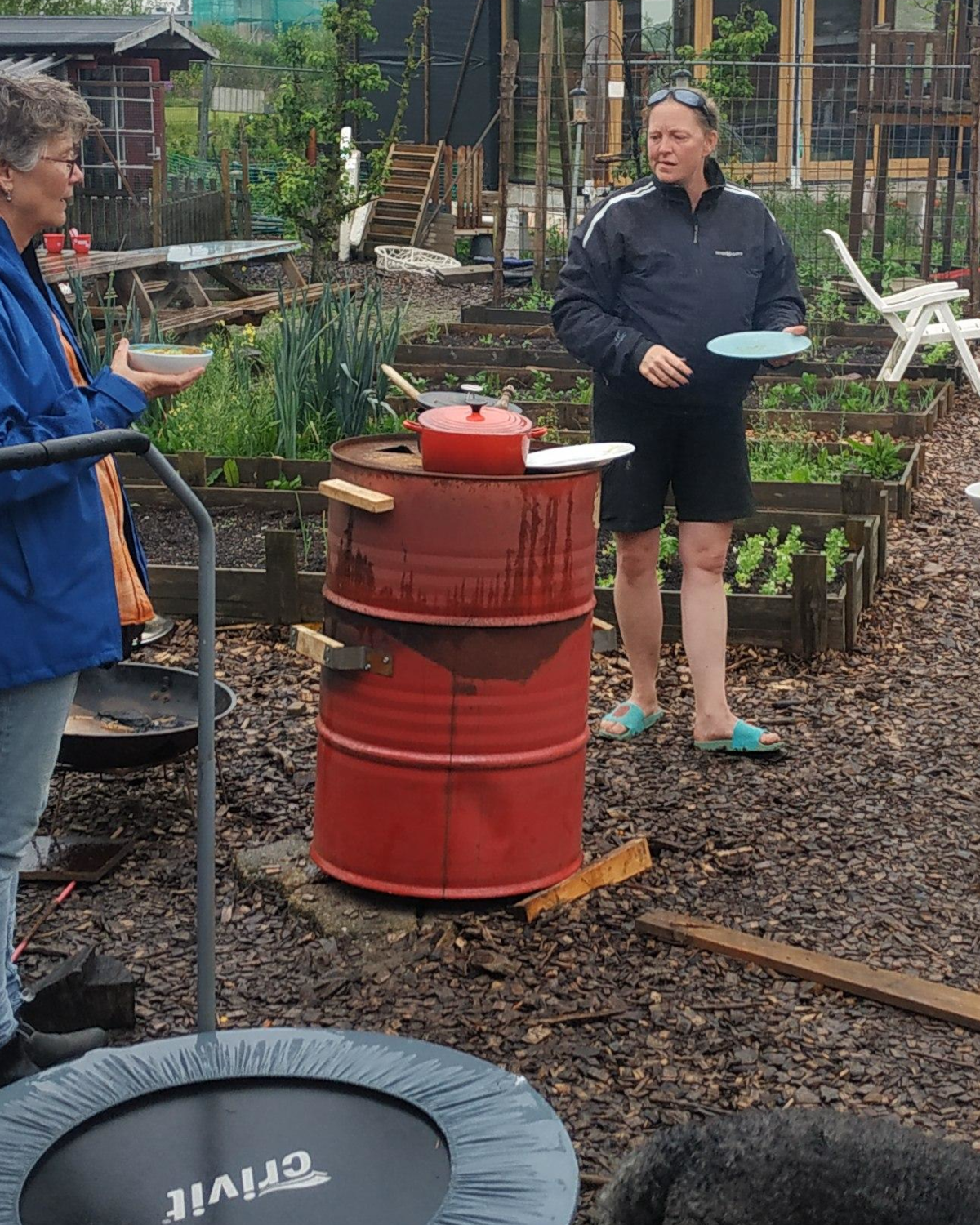
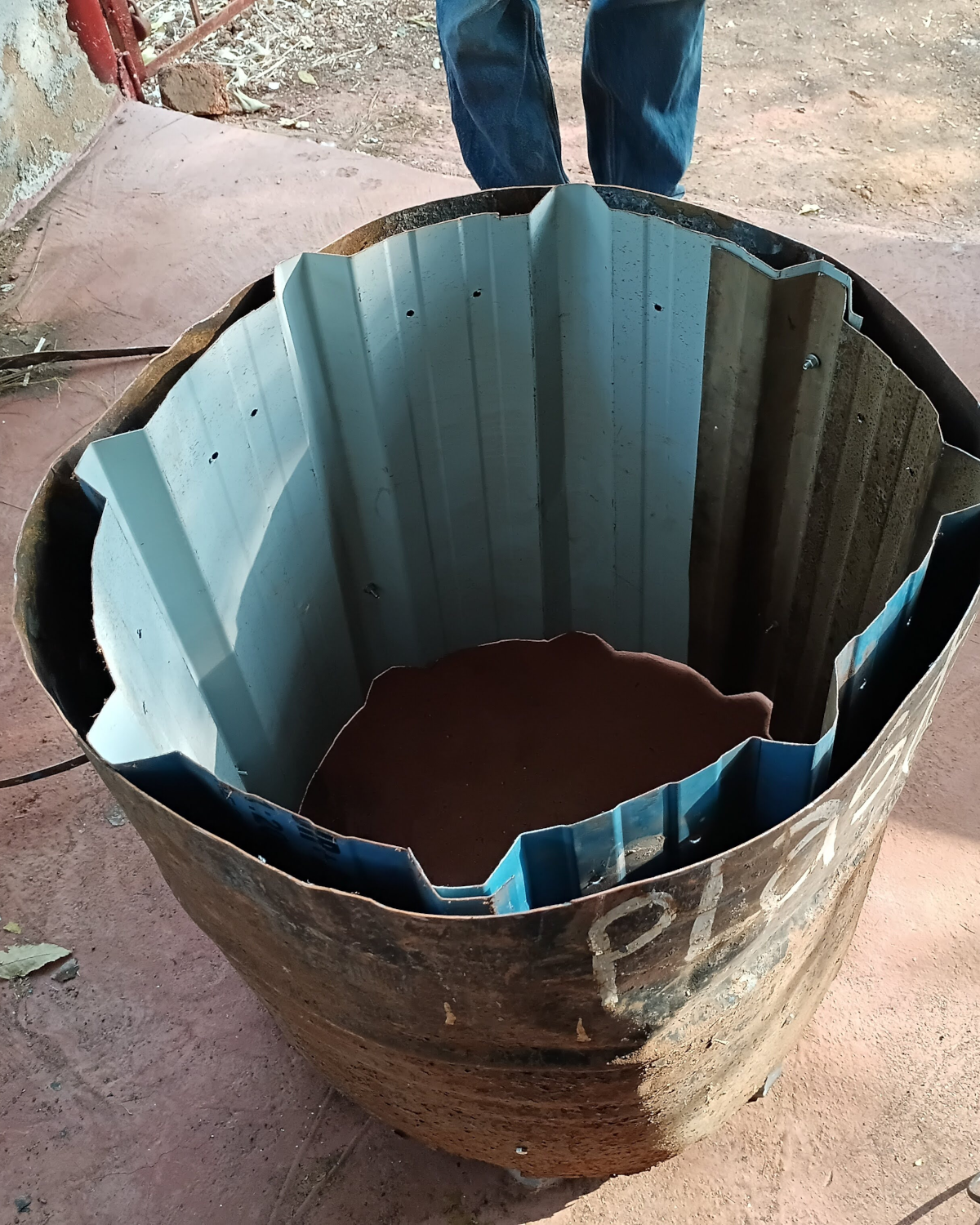
A 200 litre steel drum is commonly used as part of the upper assembly, but other materials can also be adapted depending on availability.
Corrugated steel sheets can also be used to form a baffle, lid, or outer structure where full barrels are not available.
Sourcing tips: 200 litre drums: car garages (allow time), scrap metal yards, industrial skips
3. Chimney
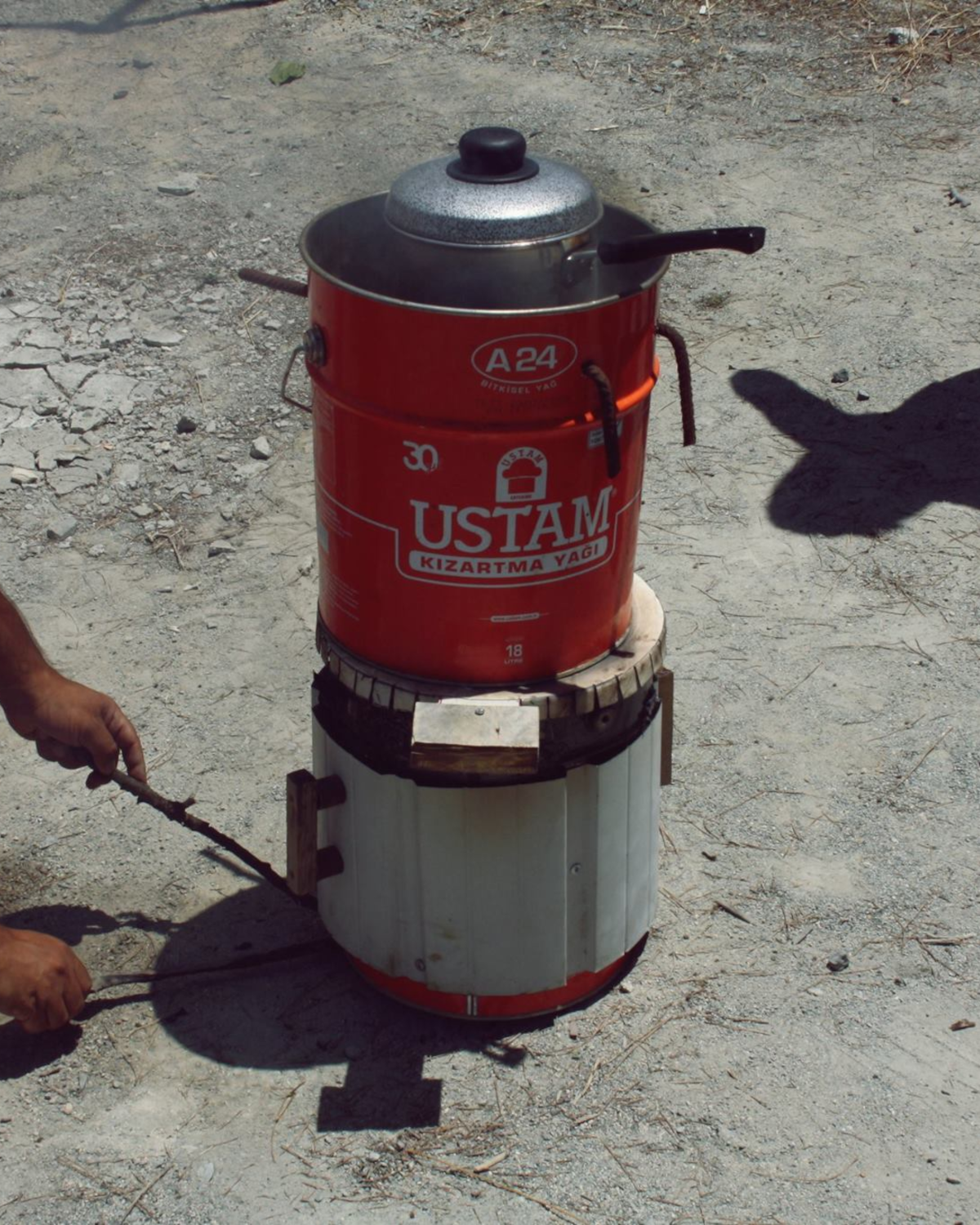
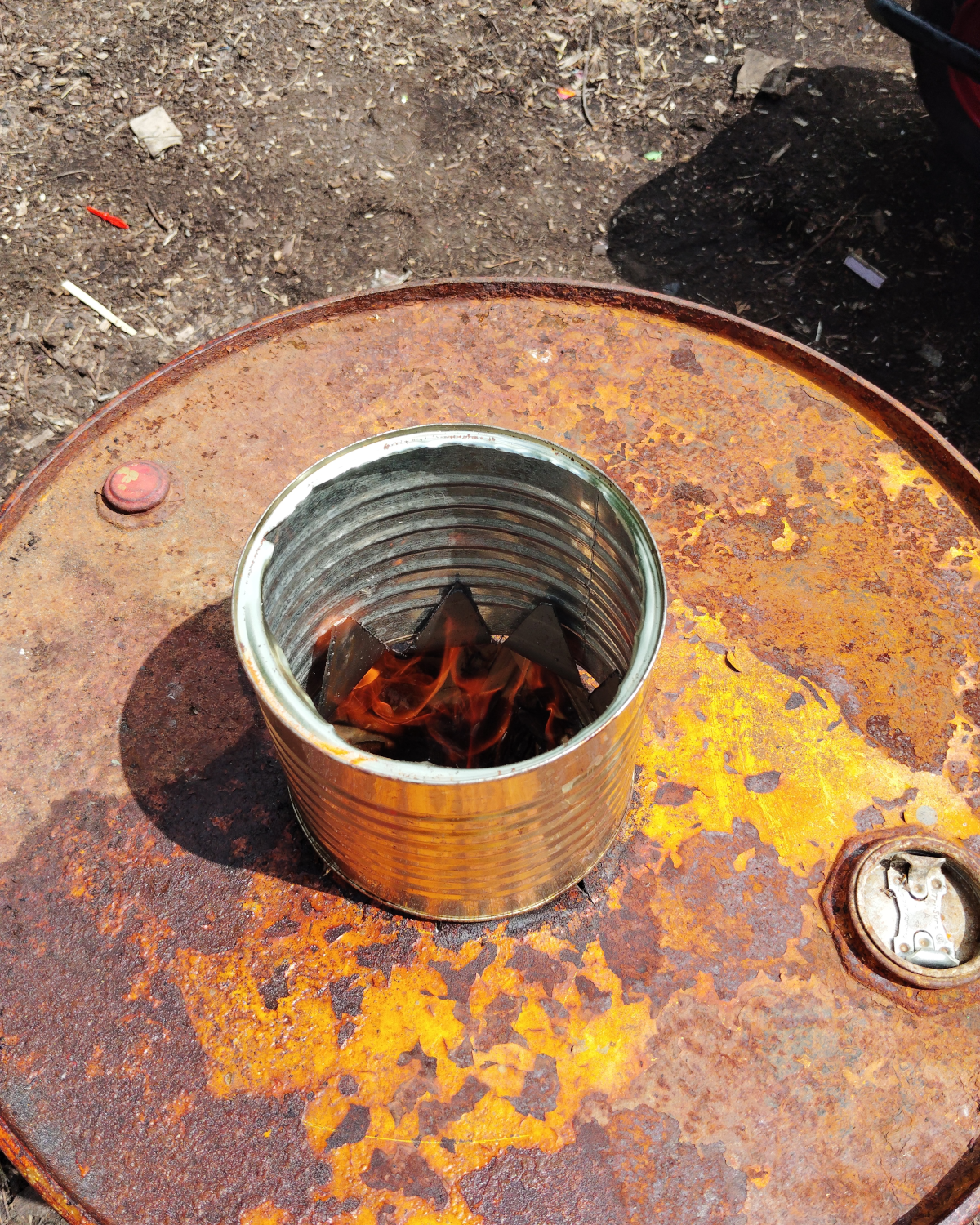
The chimney directs gases out of the stove. The cheapest and easiest material is a 2.5 kg tin (tomato or paint tin). Other options include:
- Corrugated steel sheet rolled into a tube
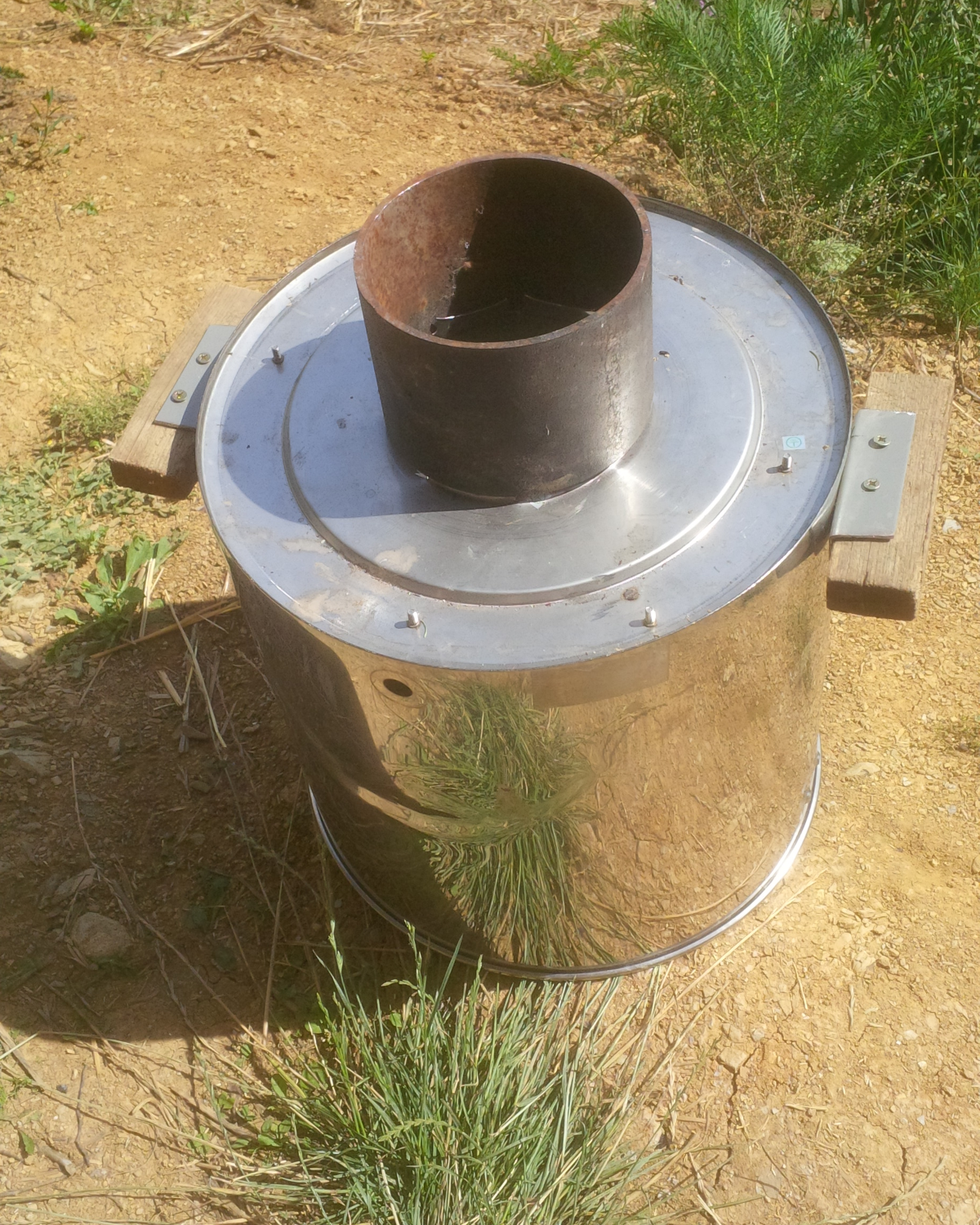
- Scrap steel pipe of appropriate diameter
Sourcing tips:
- 2.5 kg tins: behind restaurants, catering kitchens, or workshops
- Corrugated sheet: skips, construction sites, old fencing, warehouses
- Scrap steel pipe: metal recyclers, building sites
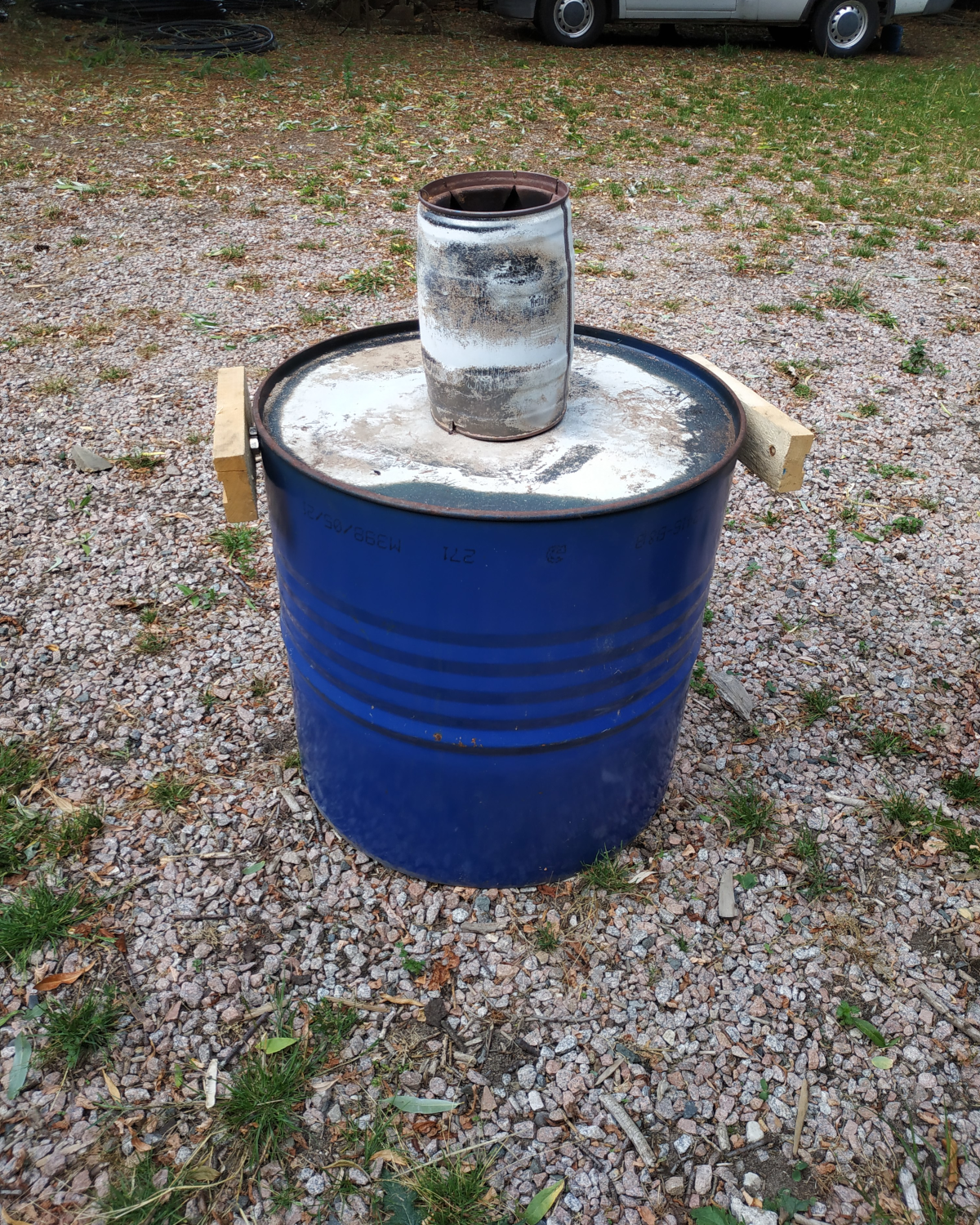
4. Corrugated Steel Sheets
Corrugated sheets are versatile and can be used for:
- Baffles inside the stove
- Lids for the burn chamber or oven
- Chimneys if no tin or pipe is available
Sourcing tips: skips, construction sites, old fencing, warehouses, builder friends
5. Finishing Materials
Small additional materials make the stove easier to use:
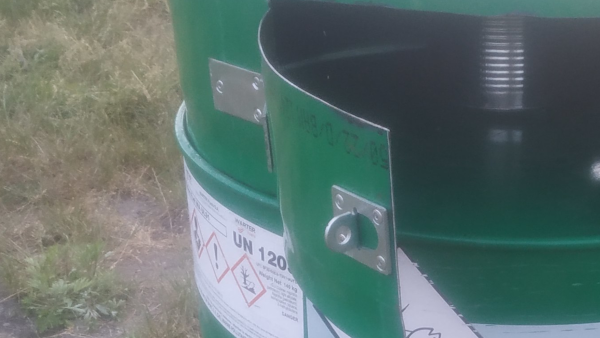
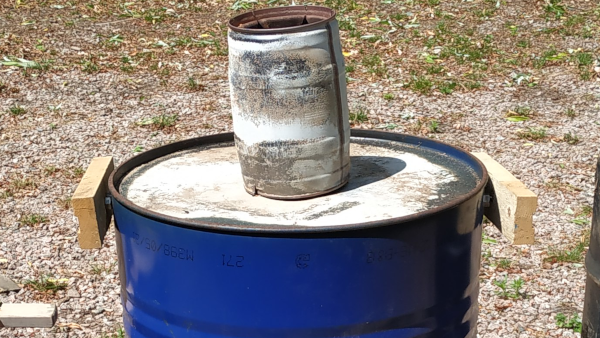
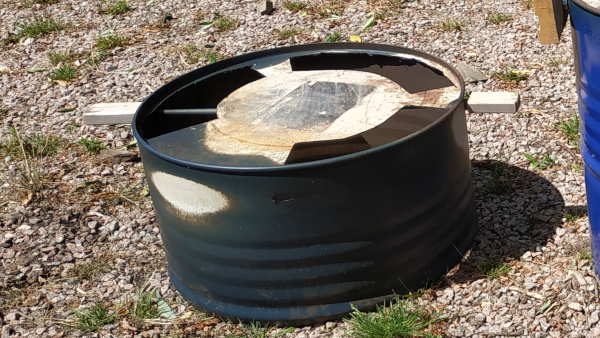
- Wooden handles for the oven door: logs or timber battens (~4 pieces)
- Long screws (~30–40 cm, 12 pieces) to attach handles
- A hinge for the oven door
- Bolt(s) (3–6 depending on hinge) to attach the hinge securely
Practical Tips for Course Preparation
- Plan 2–3 weeks ahead — barrels and large tins may take time to become available.
- Network locally with garages, restaurants, pubs, and builders for scrap materials.
- Focus on what is available and design the stove around these materials. Adaptability is key.
- This is not a construction guide — materials will be adapted and built during the course.
- Do not worry about new or expensive materials — recycled and free materials are sufficient.
Courses, Workshops and Hosting
These materials are typically used in our hands-on biochar cook stove workshops, where we work with whatever resources are available and build systems together on the day.
If you are looking to attend a course, you can explore upcoming sessions below. If you are interested in hosting a workshop or organising a course in your area, this guide should help you begin gathering suitable materials in advance.
We cover design, safe handling of materials (including gas cylinders and beer barrels), and construction techniques during the course itself.
Participant Feedback
"I loved the relaxed pace of the course and Rakesh’s enlightened learning strategies. I feel as if I really understand the principles of the rocket and biochar stoves, as we built both brick and metal models during our day. Rakesh is a lovely teacher. He explains everything simply and carefully and above all he is never boring!"
Upcoming Cook Stoves Course Dates
| No events |
Other Upcoming Courses
| 14 Jul 2026; 09:00AM - 06:00PM 12 to 17 day Urban - Vegan - Permaculture Design Course with an emphasis on Designing for Kids |