
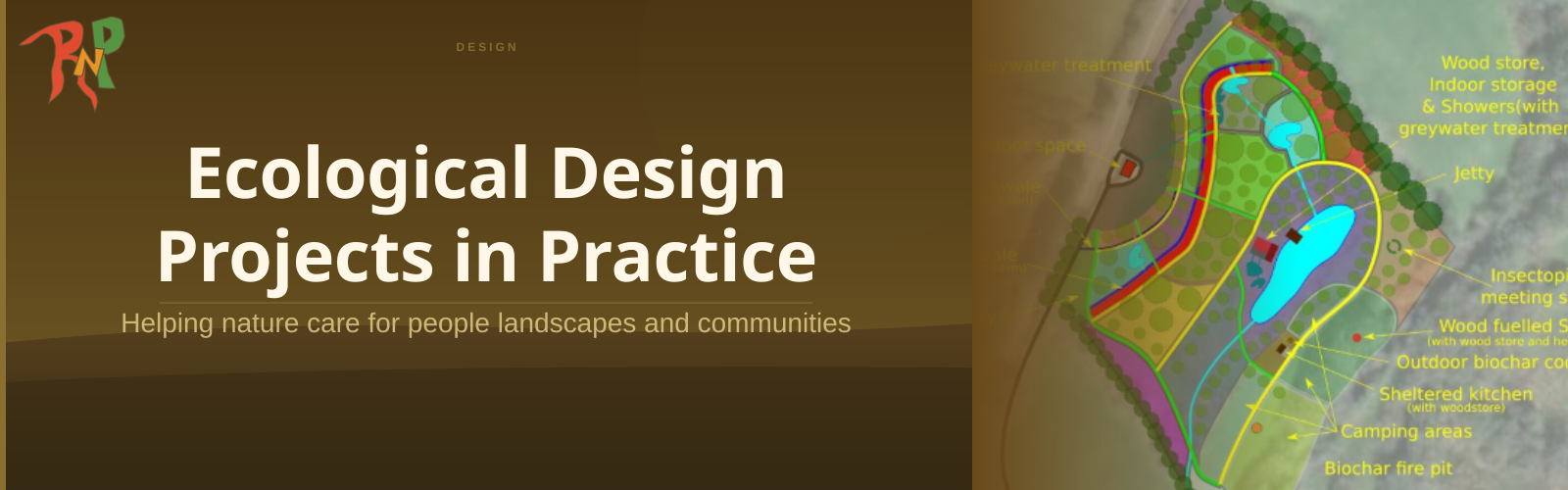
Design is at the heart of many of the projects connected with Roots n Permaculture. Whether planning a forest garden, developing a whole-site permaculture design, or exploring social and community systems, design provides a structured way to move from ideas to practical solutions.
This page introduces a range of design projects developed through teaching, consulting, and personal practice. These designs explore ecological landscapes, productive gardens, educational spaces, and community systems.
Types of Designs
Design work can take many forms depending on the context and the goals of the project. Examples include:
- Permaculture site designs for farms, gardens, and smallholdings
- Forest garden and food forest planting plans
- School and educational garden designs
- Community and ecovillage master plans
- Landscape water management systems
- Social and organisational design processes
Some projects focus primarily on landscape and ecological systems, while others explore how people organise themselves and make decisions together.
Permaculture and Ecological Design
Permaculture design applies ecological principles to the planning of productive landscapes and human systems. By observing natural patterns and processes, designers can create systems that are resilient, productive, and regenerative.
Typical elements within a permaculture design may include:
- Zoning and sector planning
- Water harvesting and landscape hydrology
- Food forests and perennial planting systems
- Integrated gardens and small farm systems
- Habitat creation and biodiversity support
Many of these approaches are explored in more detail in the Permaculture Knowledge Base and the Forest Gardening resources.
Forest Garden Design
Forest gardening is a form of agroforestry that mimics the structure and ecology of woodland ecosystems. Forest garden designs combine trees, shrubs, herbs, groundcovers, climbers, and root crops to create diverse and productive food systems.
Designing a forest garden involves careful planning of plant layers, light conditions, soil health, and long-term ecological succession.
These systems can be used in home gardens, community gardens, small farms, and educational projects.
Social and Community Design
Design principles can also be applied to social systems. Community projects, organisations, and learning groups often benefit from thoughtful design processes that help people collaborate effectively.
Social design may include:
- Collaborative decision-making structures
- Participatory planning processes
- Community land projects
- Educational programme design
These approaches recognise that sustainable landscapes are closely connected to healthy social systems.
Learning Through Design
Many of the designs featured here were developed during educational programmes such as the Permaculture Design Certificate (PDC) or advanced design courses.
Working on real design projects allows students to practice observation, analysis, and planning skills while applying the principles they have learned.
Some designs remain conceptual exercises, while others go on to be implemented and evolve over time.
Share Your Design
If you have taken a course with Roots n Permaculture and created a design project, you are welcome to share it here.
Student and practitioner designs may include:
- Site maps and design plans
- Forest garden planting layouts
- Landscape water systems
- Community or educational site designs
- Short design reports or project reflections
Sharing designs helps build a collection of real-world examples that others can learn from.
Explore More Resources
If you would like to learn more about ecological and permaculture design, you may find the following resources helpful:
- Permaculture Courses
- Permaculture Knowledge Base
- Forest Gardening Cources
- Forest Gardening Resources
Design is an ongoing process of learning, observation, and adaptation. By sharing design work and reflecting on real projects, we can continue improving our ability to create productive landscapes and resilient communities.