
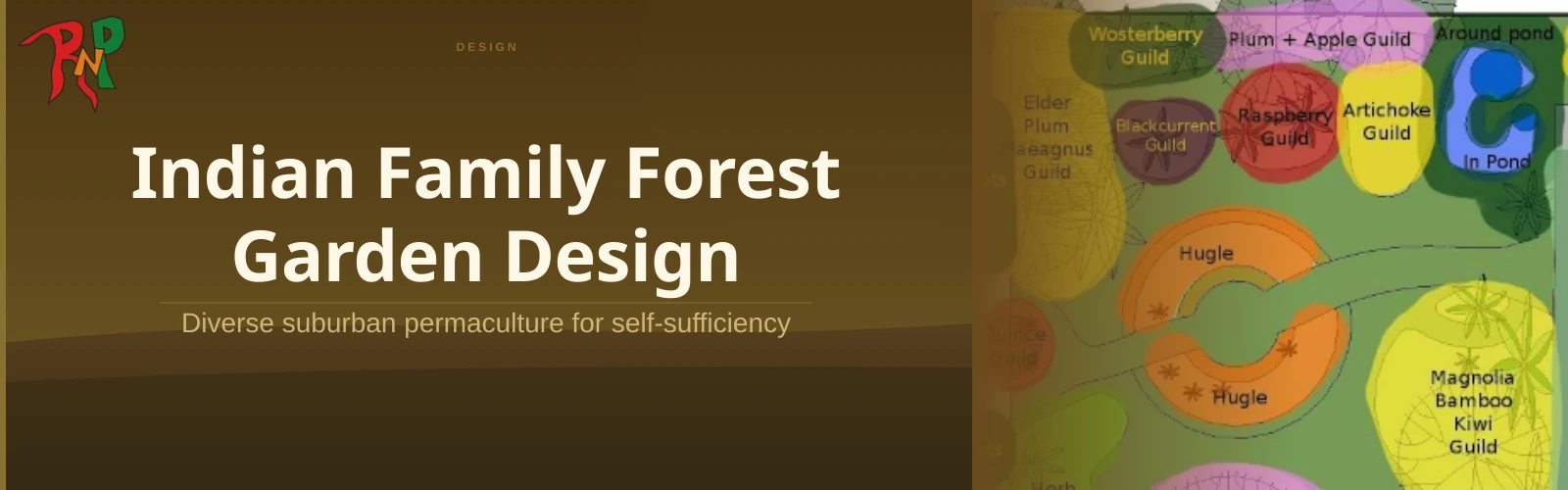
Indian Family Forest Garden Design
Overview
This project involved designing a forest garden for an Indian family in suburban London, transforming a conventional back garden into a productive and ecologically rich system. The brief focused on growing culturally relevant foods, increasing biodiversity, and creating a space that could be both productive and enjoyable to spend time in.
Rather than treating the garden as a static layout, the design approached it as a living system — one that cycles nutrients, captures water, supports wildlife, and produces a wide range of yields over time.
Methodology
The design followed a structured methodology: Collect → Evaluate → Map → Canopy → Understory → Water → Paths → Nutrients → Shrubs → Guilds → Implement → Manage.
This ensures that each layer of the system is grounded in real site conditions and integrated with the whole, resulting in a resilient and efficient ecosystem.
Design Process
-
1
Initial Meeting & Proposal
The process began with an in-depth conversation with the family to understand how they wanted to use the space. Particular attention was given to preferred foods, daily routines, and long-term aspirations for the garden.

The proposal translated these ideas into a spatial concept, balancing productivity, access, and aesthetics. This stage is essential in ensuring that the final design reflects real human needs rather than abstract ideals.
-
2
Collect — Site Survey
A detailed survey documented soil conditions, existing features, and environmental influences. This data forms the foundation for all subsequent design decisions.
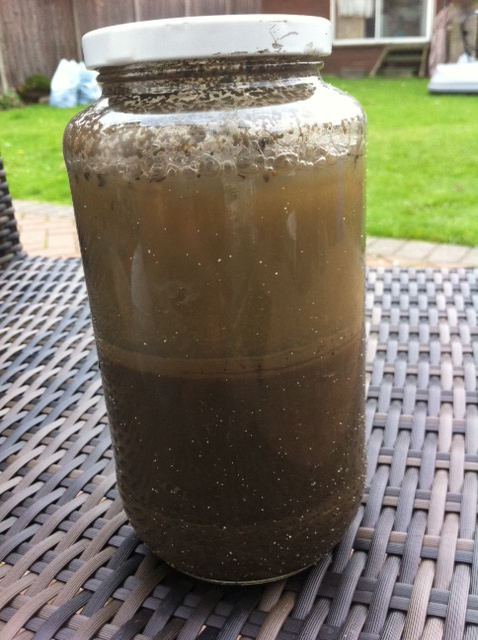
The soil was identified as silty clay — fertile but prone to compaction. This informed the use of organic matter and raised structures later in the design.
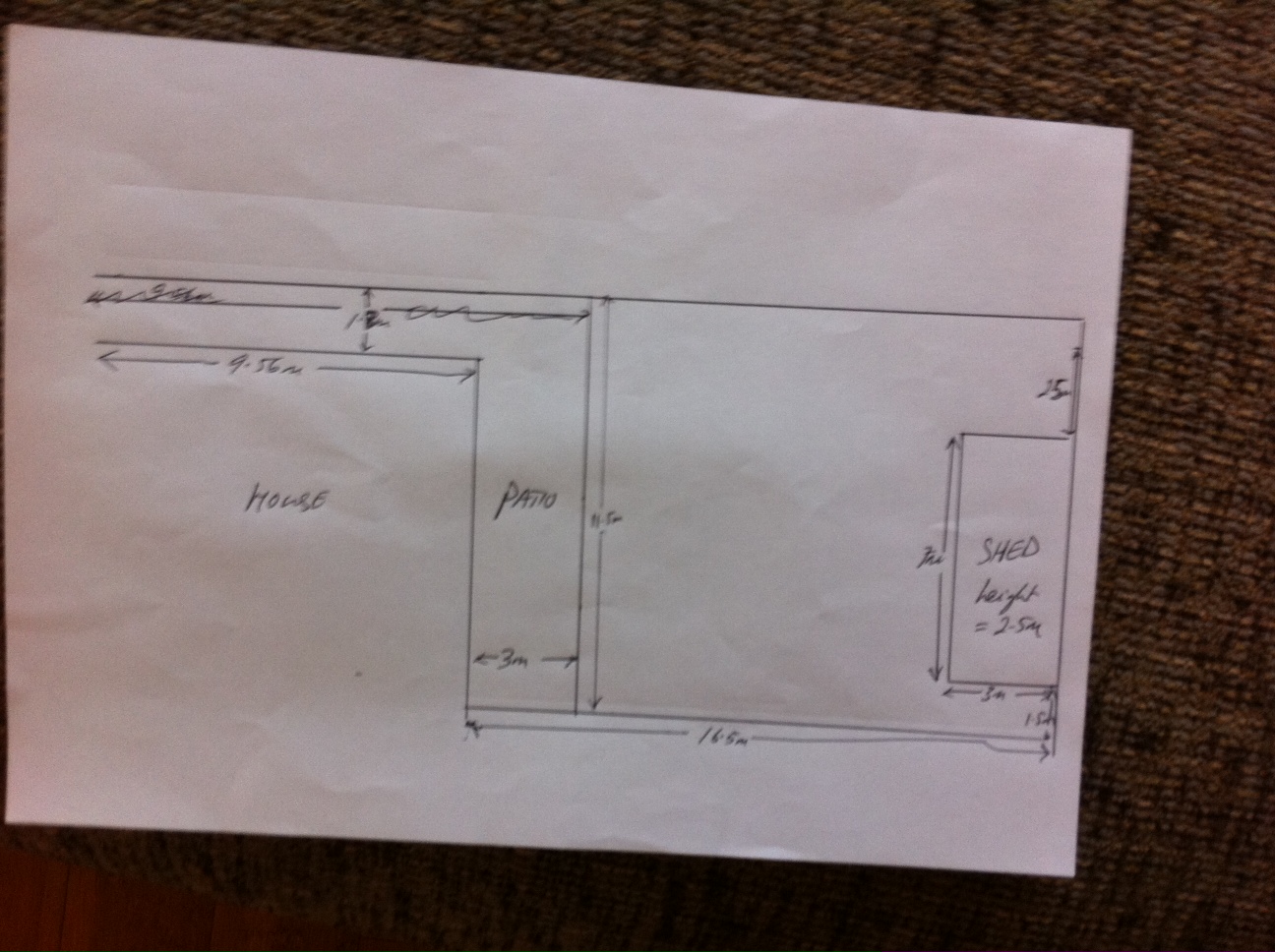

Mapping converts observation into a usable design framework, allowing relationships between elements to be clearly understood.













Wind data informed shelter strategies and helped create protected microclimates for more sensitive species.
-
3
Evaluate — Zones, Sun & Soil
The garden was divided into zones based on frequency of use. Areas closest to the house were reserved for high-use crops such as herbs and salad greens.


This zoning reduces unnecessary effort while increasing productivity and accessibility.
-
4
Design — Canopy, Understory & Structures
Plants were arranged in vertical layers to mimic natural woodland systems. This increases productivity per square metre while improving ecological function.
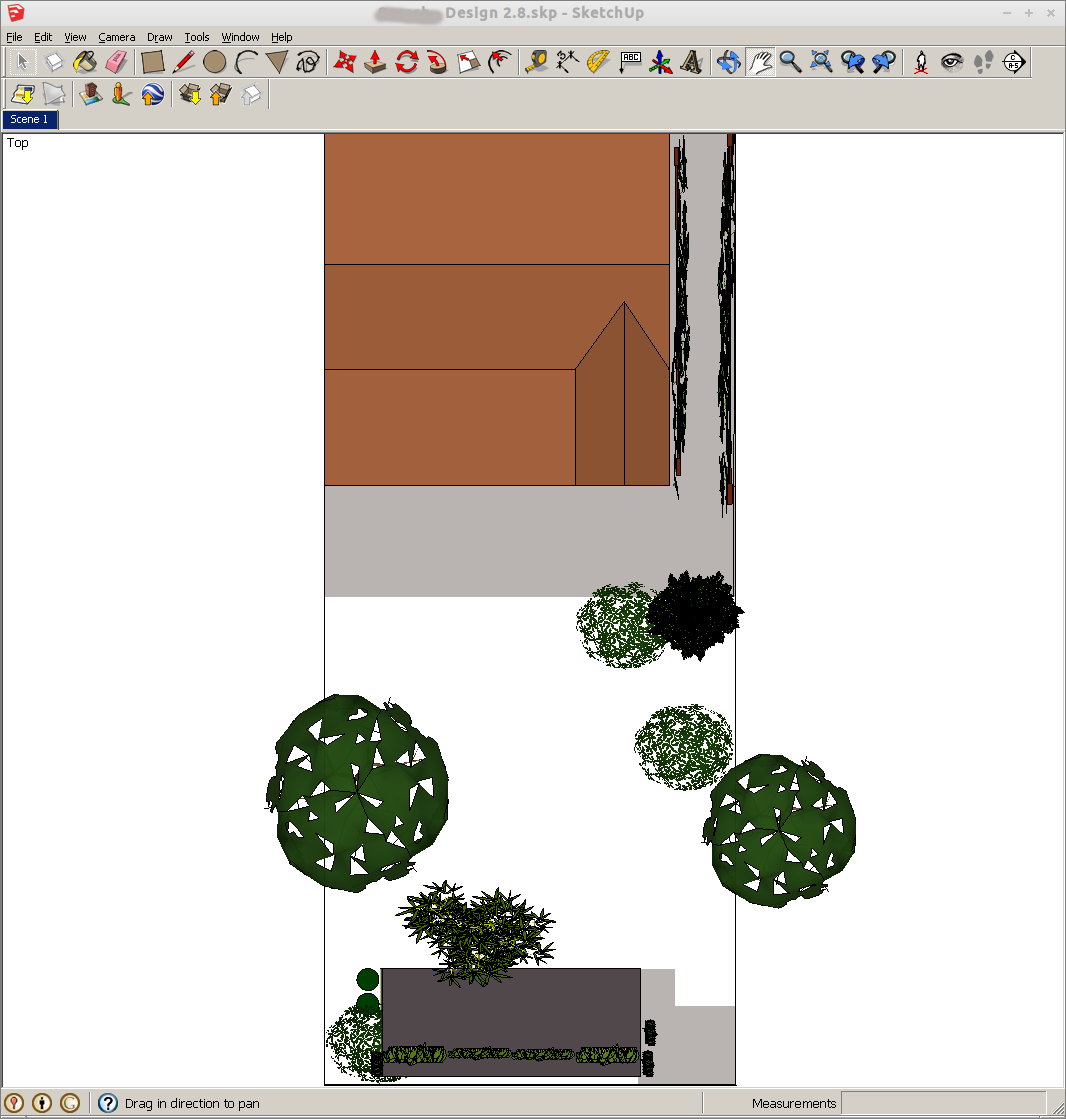

Social elements such as seating were integrated into the design to ensure the space is both functional and enjoyable.
-
5
Water — Greywater System
Regular supply of water comes out of the house in the form of greywater, which is treated and feeds the garden. This turns a waste stream into a valuable resource.

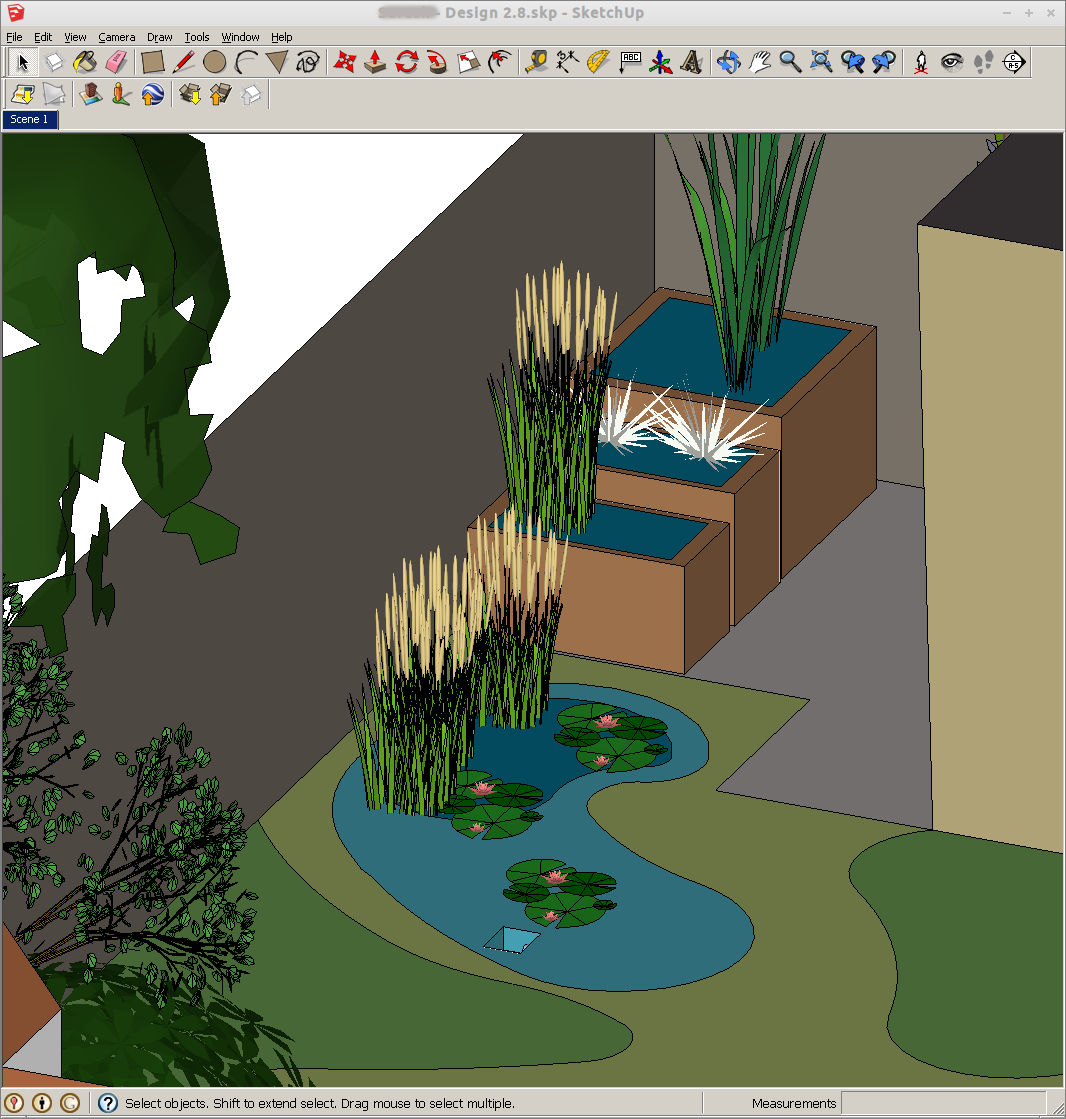
This approach reduces reliance on mains water and increases resilience during dry periods.
-
6
Paths, Hugelkultur & Nutrients
Paths were positioned to minimise soil compaction while allowing easy access throughout the garden.
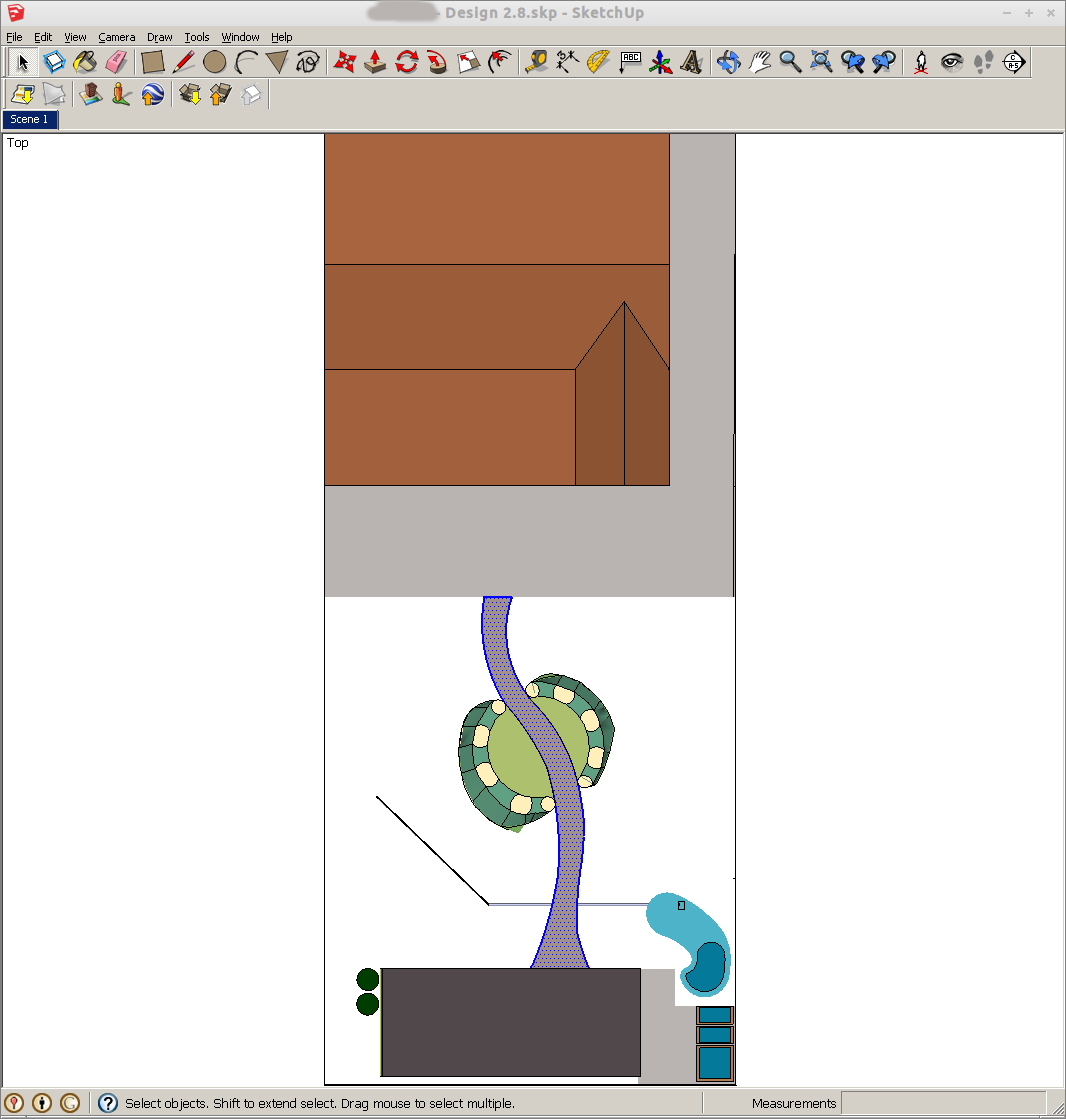

Hugelkultur beds were used to improve drainage, retain moisture, and build long-term fertility.
-
7
Sections & Guilds
The garden was divided into sections, each containing plant guilds — combinations of species that support one another.


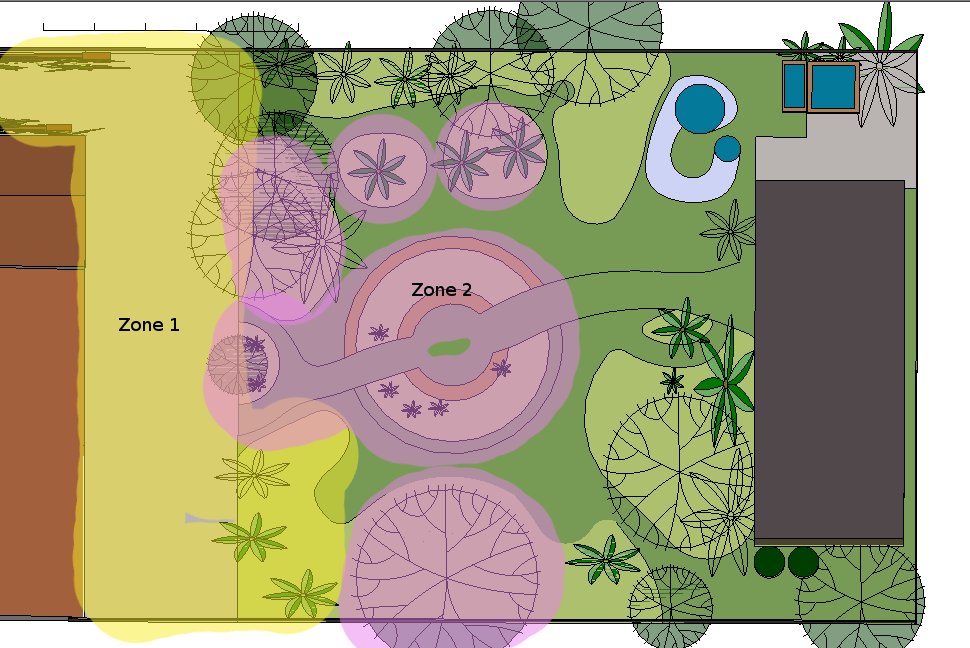
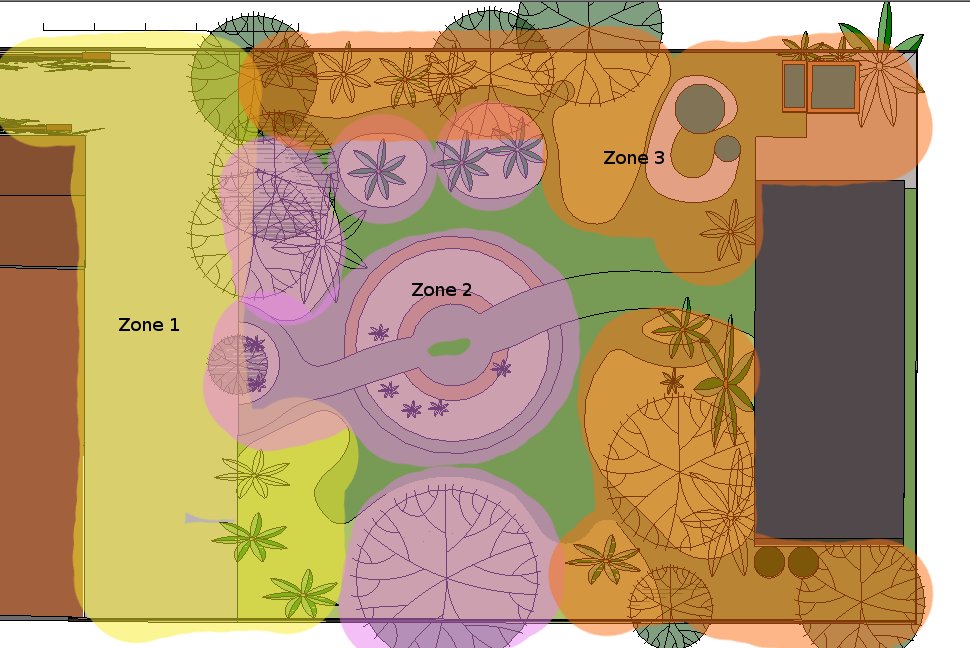

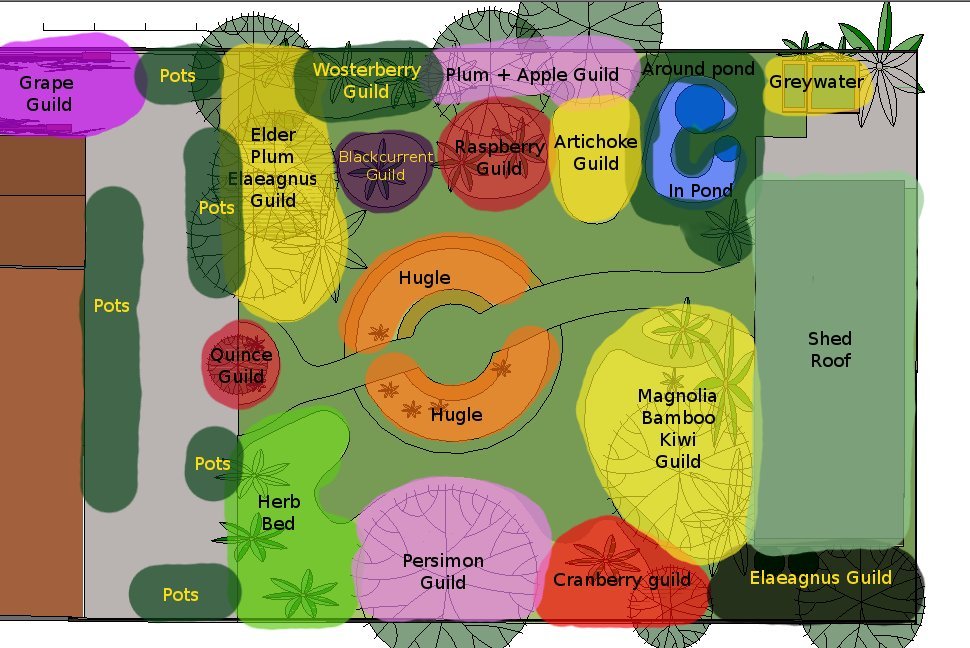
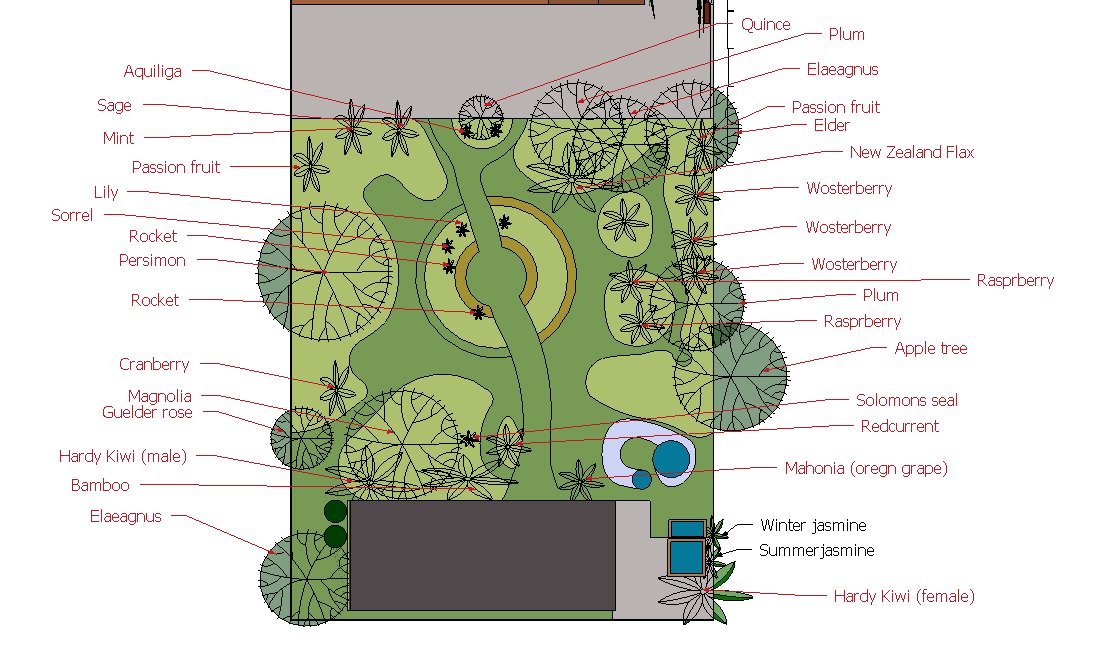
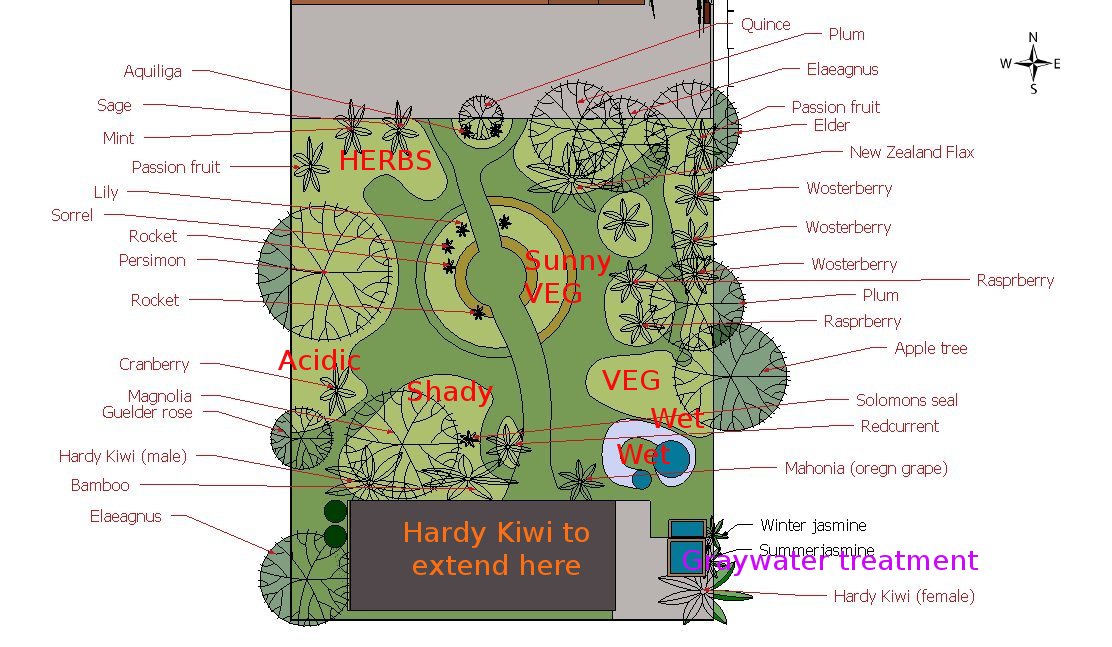
Guild design improves resilience, reduces maintenance, and increases productivity through ecological relationships.
-
8
Implementation
The garden was implemented over several visits, gradually transforming the space into a diverse, productive ecosystem.
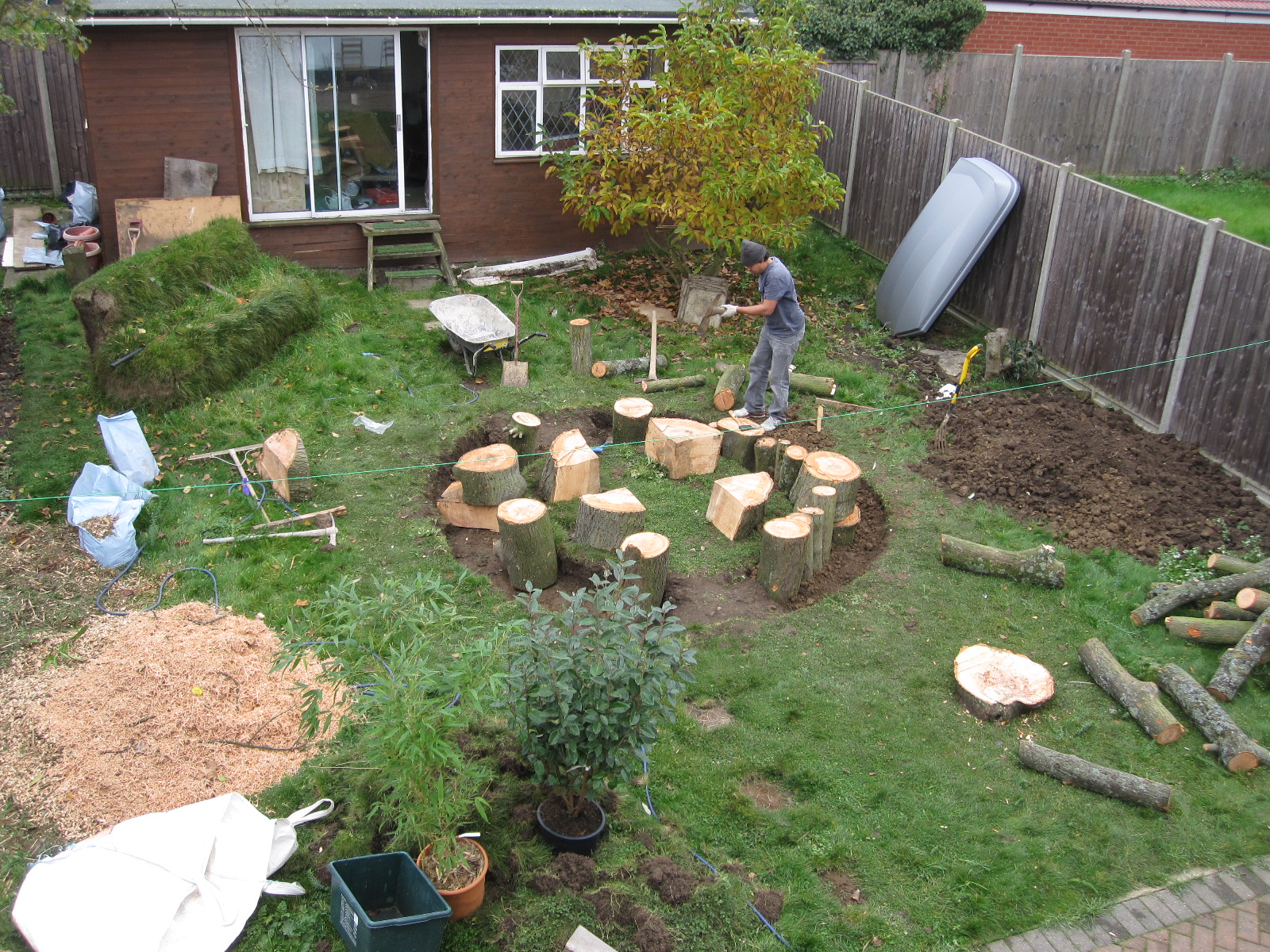
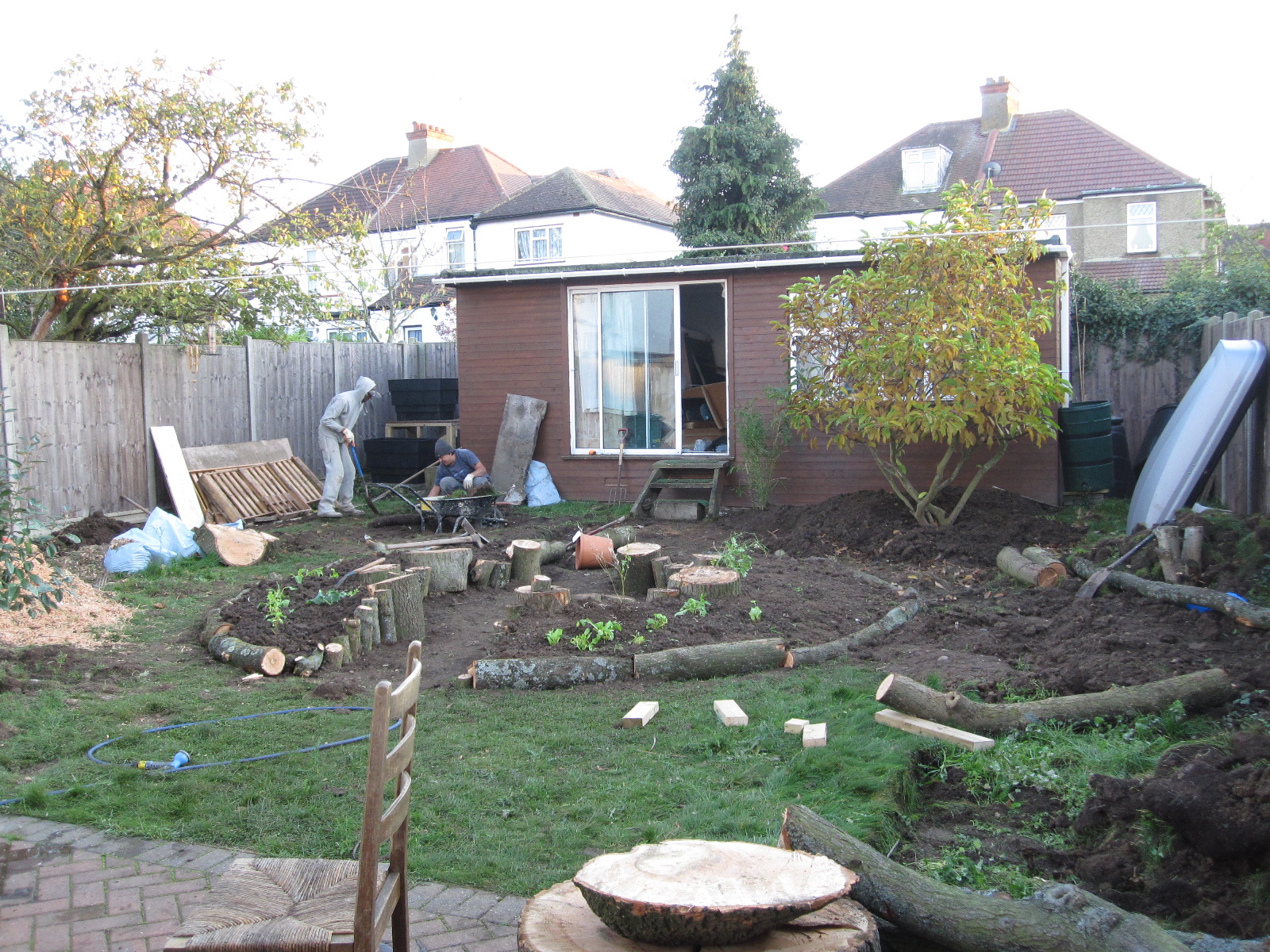
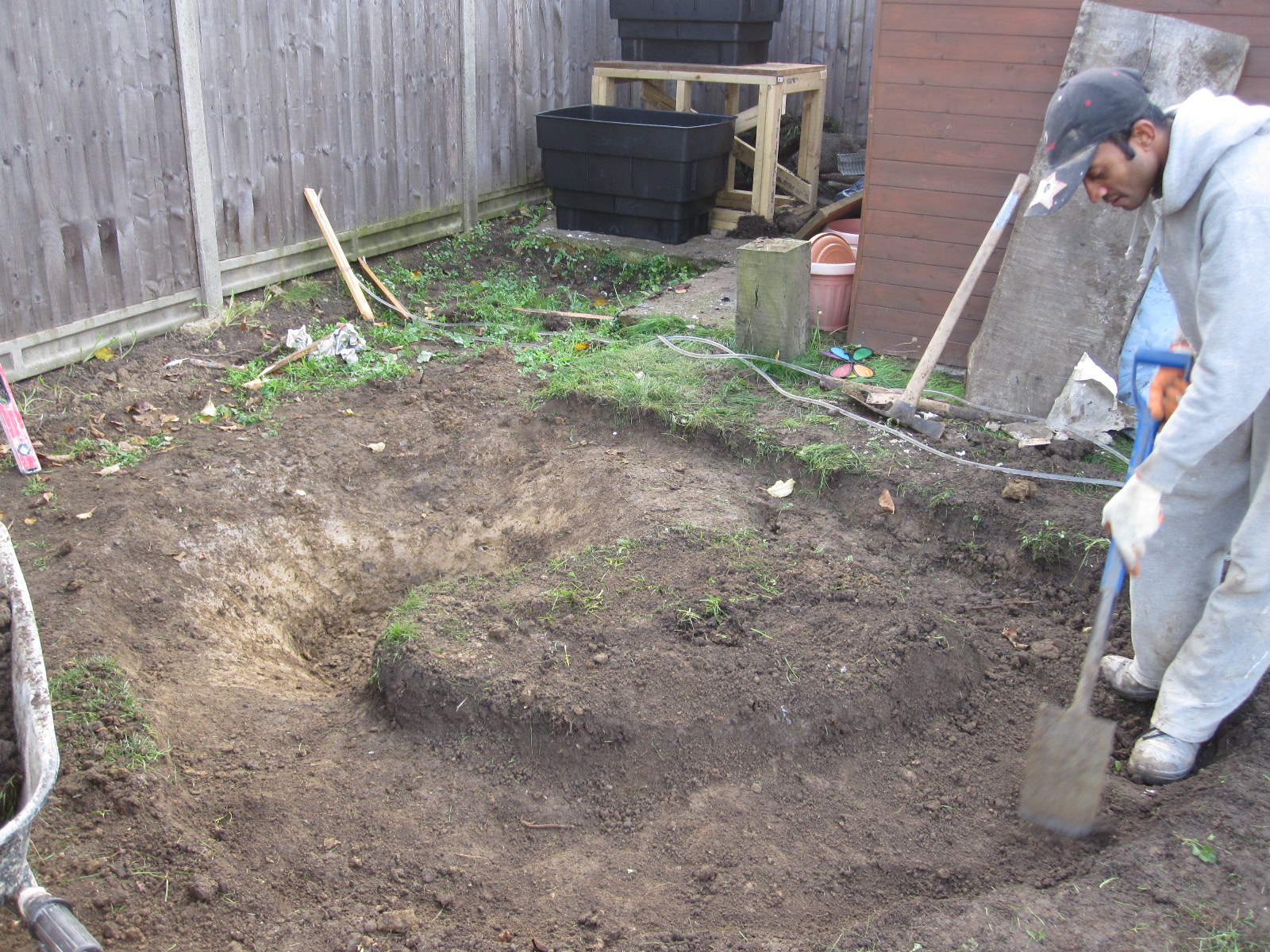
The result is a living system that continues to evolve, becoming more productive and resilient over time.
Reflections & Outcomes
This project demonstrates how suburban gardens can be transformed into productive ecosystems through thoughtful design and ecological principles.